


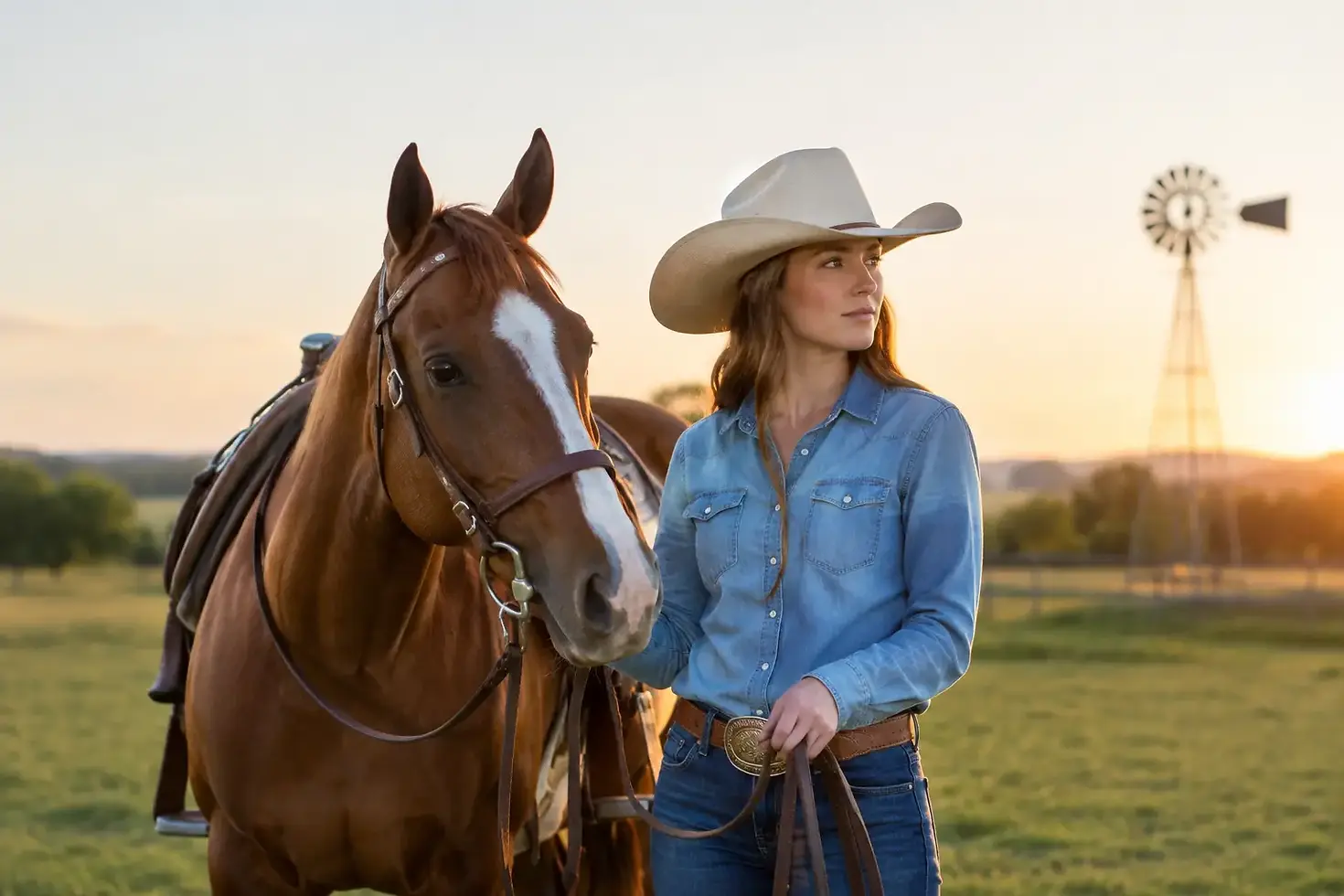
Why Texas Agricultural Horse Businesses Matter

A colt born on a Texas ranch, a trailer headed to a weekend show, and a delivery of coastal hay may look like separate moments. They are connected by the same commercial backbone. Texas agricultural horse businesses support the people, land, skills, and services that keep horses part of daily life across the state - from rural counties to growing suburban communities.
The Texas horse economy is not limited to breeding farms or show barns. It includes ranch operations, feed stores, veterinarians, farriers, trainers, boarding facilities, racetracks, hay producers, transporters, tack suppliers, photographers, educators, event venues, and many other businesses whose work depends on a healthy equine sector. When one part of that network weakens, the effects are felt far beyond the arena gate.
Texas Agricultural Horse Businesses Are an Economic Network
Horses create commerce at every stage of ownership. Before a horse ever enters a competition pen or takes a rider down a trail, someone has produced forage, maintained pasture, sold fencing materials, hauled feed, provided veterinary care, and often transported the animal. That spending circulates through local communities, supporting jobs and keeping agricultural knowledge in use.
For many Texas families, horses are both a livelihood and a long-term investment. A breeder may spend years building a program around sound mares, proven stallions, careful nutrition, and trusted professional help. A trainer’s reputation depends on horsemanship, client service, safe facilities, and a reliable schedule of events. A boarding stable must manage labor, water, insurance, manure, maintenance, and rising costs while still providing a place where owners can participate in the horse community.
These are real businesses with real overhead. Their success should be measured not only by ribbons, sale prices, or purse totals, but also by the jobs they sustain and the local purchases they make year after year.
Every discipline has a place in the economy
Texas is fortunate to have an equine culture broad enough to include racing, ranch work, rodeo, cutting, reining, dressage, hunter-jumper competition, endurance riding, trail riding, youth programs, therapeutic riding, breeding, and recreational ownership. No single discipline tells the full story.
That diversity is an advantage. When stakeholders recognize that all breeds and all disciplines share many of the same needs, they can build a stronger case for agriculture, fair regulation, responsible horse care, and access to facilities and events. A Paint Horse exhibitor, a Quarter Horse breeder, a Thoroughbred racing participant, and a family with two retired trail horses may operate in different circles, but each relies on a functioning Texas horse economy.
The Pressures Facing Equine Businesses
Pride in Texas heritage does not erase the practical pressures facing horse operations. Land values, property taxes, feed prices, labor shortages, insurance costs, water availability, and veterinary expenses all shape whether a stable, breeding operation, or agricultural service business can remain viable.
The challenge is especially acute near fast-growing metro areas. Development can bring customers and new interest in horses, but it can also reduce available acreage, increase operating costs, and push equine facilities farther from the communities they serve. A boarding barn that closes is not simply a lost business. It can mean fewer places for young riders to learn, fewer clients for local farriers and veterinarians, and fewer opportunities for families to stay connected to agriculture.
Policy decisions matter as well. Rules affecting land use, animal transport, racing, water, taxation, business licensing, and agricultural classification can have consequences that are easy to miss if the equine industry is not represented at the table. Policymakers need a clear understanding that horses are not a fringe interest. They are part of Texas agriculture, recreation, tourism, employment, and heritage.
Welfare and business sustainability belong together
Strong horse businesses are built on responsible care. Good nutrition, regular veterinary attention, qualified hoof care, safe fencing, sound training practices, and thoughtful retirement planning are not optional extras. They protect the horse, build public confidence, and preserve the credibility of the entire industry.
There is no single formula for every operation. A large breeding ranch has different needs than a small lesson program, and a racetrack participant faces different demands than a therapeutic riding center. Yet every segment benefits when professional standards are visible and horse welfare remains central to decision-making. The public’s trust is earned through daily practices, not occasional statements.
What a Stronger Texas Horse Economy Requires
The equine sector does not need every stakeholder to agree on every issue. It does require a shared willingness to defend the conditions that allow horse businesses to operate responsibly. That means communicating the industry’s economic value, participating in policy discussions, supporting local events, and treating fellow sectors as partners rather than competitors.
Business owners can start close to home. Buy from Texas hay growers, feed dealers, service providers, and event facilities when practical. Encourage customers and employees to understand how local and state decisions affect agricultural operations. Keep accurate records of payroll, purchases, event attendance, and services provided. Those records help demonstrate economic impact when community leaders ask what the horse industry contributes.
It also means showing up. County meetings, agricultural forums, association gatherings, legislative outreach, and local horse events are all opportunities to make the industry visible. A quiet business may be well run, but a business that is never counted or heard is easier for decision-makers to overlook.
Texas Horse Industry Advocates exists to help bring those voices together. The goal is not to elevate one breed, discipline, or region over another. It is to strengthen a statewide coalition that can explain why the horse industry deserves informed policy, public respect, and a meaningful place in Texas’s agricultural future.
How Communities Can Support Texas Agricultural Horse Businesses
Civic leaders and residents do not need to own a horse to understand the value of an active equine community. Local shows, rodeos, sales, clinics, and youth competitions bring visitors to restaurants, hotels, fuel stations, stores, and event grounds. They also create a reason for families to gather around skills such as horsemanship, livestock stewardship, competition, and ranch tradition.
Support is not always financial. Communities can protect appropriate agricultural land uses, recognize the needs of trailer traffic and event infrastructure, and engage equine operators before adopting rules that may unintentionally make operations harder to maintain. Schools and youth organizations can partner with reputable horse programs to introduce young Texans to responsibility, animal care, and agricultural career paths.
For horse owners, the most direct form of support is to conduct business thoughtfully. Pay professionals fairly. Respect facility rules. Plan ahead for veterinary, farrier, and emergency expenses. Volunteer at events when possible. Recommend capable Texas businesses. A dependable client base gives equine professionals the stability to invest in staff, facilities, education, and better care.
A Shared Responsibility for the Next Generation
The future of the Texas horse industry will be decided in practical choices: whether a young family can find an affordable lesson program, whether a ranch can retain productive acreage, whether an event can draw enough entries to continue, and whether lawmakers hear from the people whose livelihoods are affected by their decisions.
Texas agricultural horse businesses carry forward more than commerce. They preserve working knowledge, create entry points for young people, maintain open land, and give communities a tangible connection to the state’s agricultural identity. Their challenges are varied, but their value is shared.
The next time a local horse event fills the fairgrounds or a neighbor hires a farrier, consider the chain of Texas work behind that moment. Support the people who make it possible, speak up when policy affects their future, and help ensure the next generation inherits an industry with room to grow.


Comments